The point in any of the sessions we run is always to be informal and fun although it does sometimes help to have a little structure. See suggestion and please RSVP below.
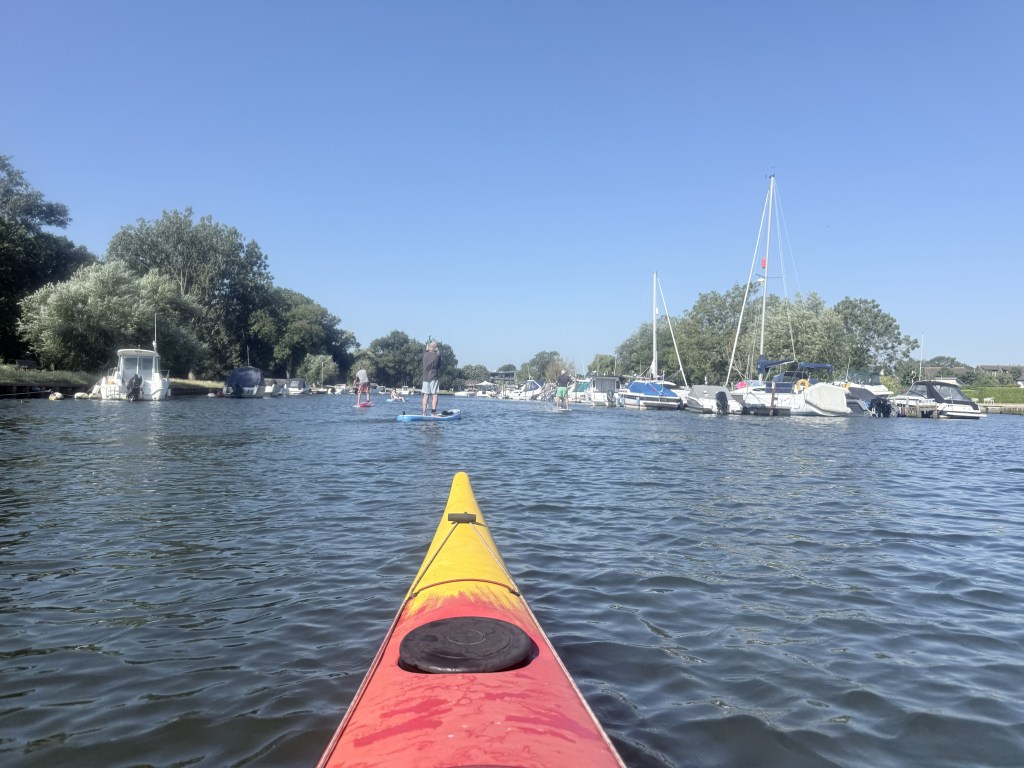
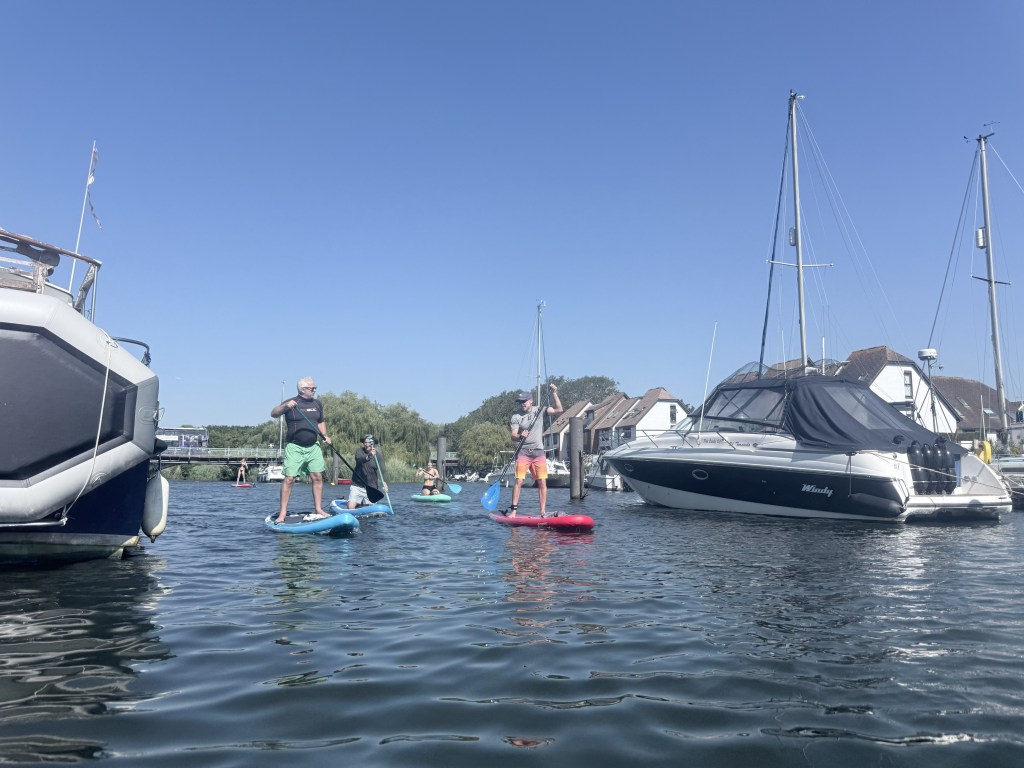
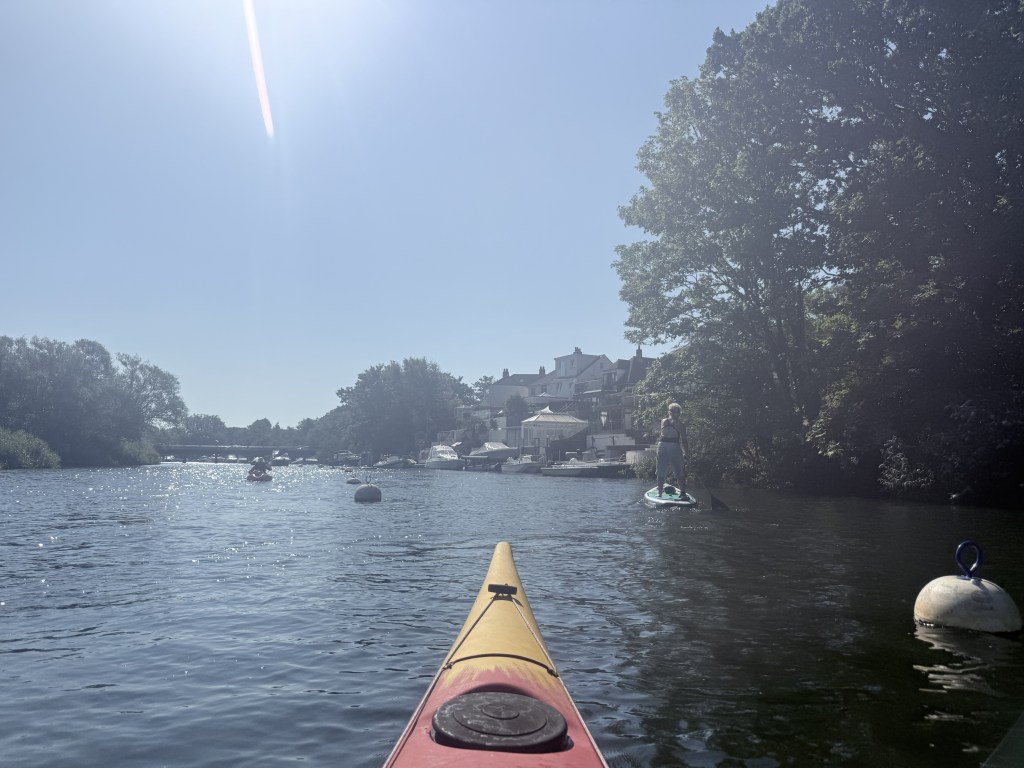
On the 11th of July 2026, a few of us went out on the water in kayaks and stand up paddleboards. Great morning of fun in the sun.
Different starting points but same ending. If you look at the map in the gallery, some started at Mudeford Quay and others at the Christchurch Civic Centre (near Bridge Street Car Park).
We met at the point encircled and then carried on going up river. After a break we turned around and went all the way back down river and ended up at the Beach House Coffee Shop on Hengistbury Head before dispersing for the day.
Some reflections from the day are below. It was a pretty demanding day of paddling as the reflection show (literally or by their short nature as no one had energy for more 🤣)
“If you bite more than you can chew…chew for longer!”
“When you have forgotten how to breathe, go visit the water. It will remind you how.”
“Great fun and brill to catch up with everyone. Cheeky snooze in front of the rugby this afternoon but ready for the footie. Gonna try to glide through life more rather than frantically paddling”
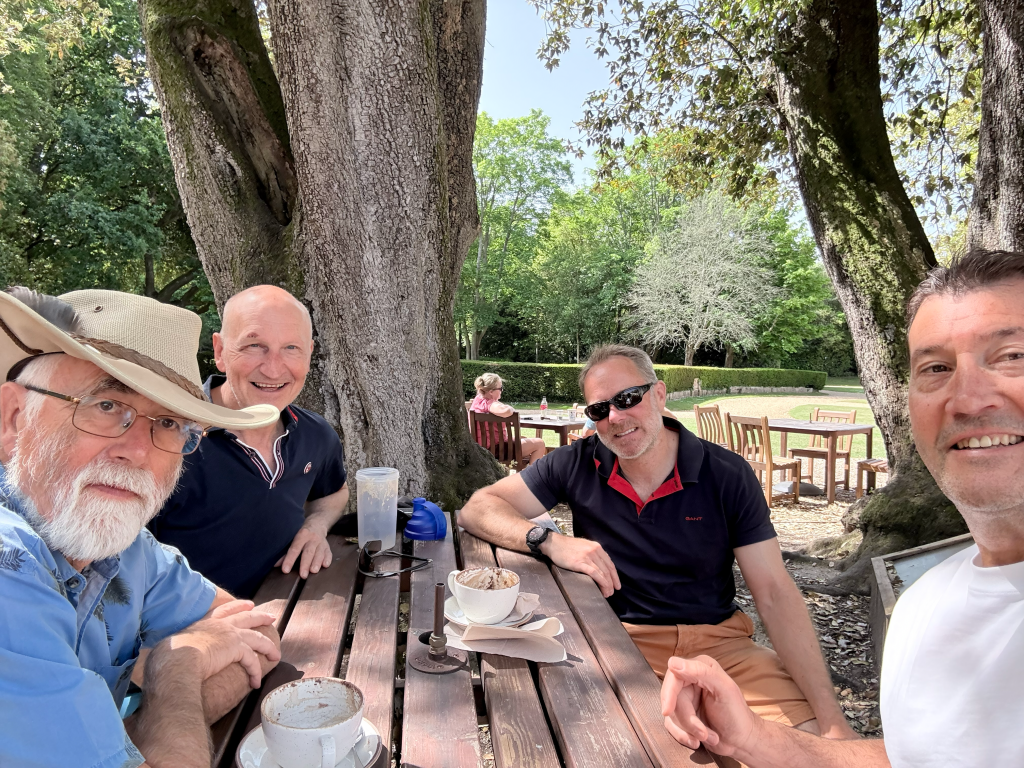
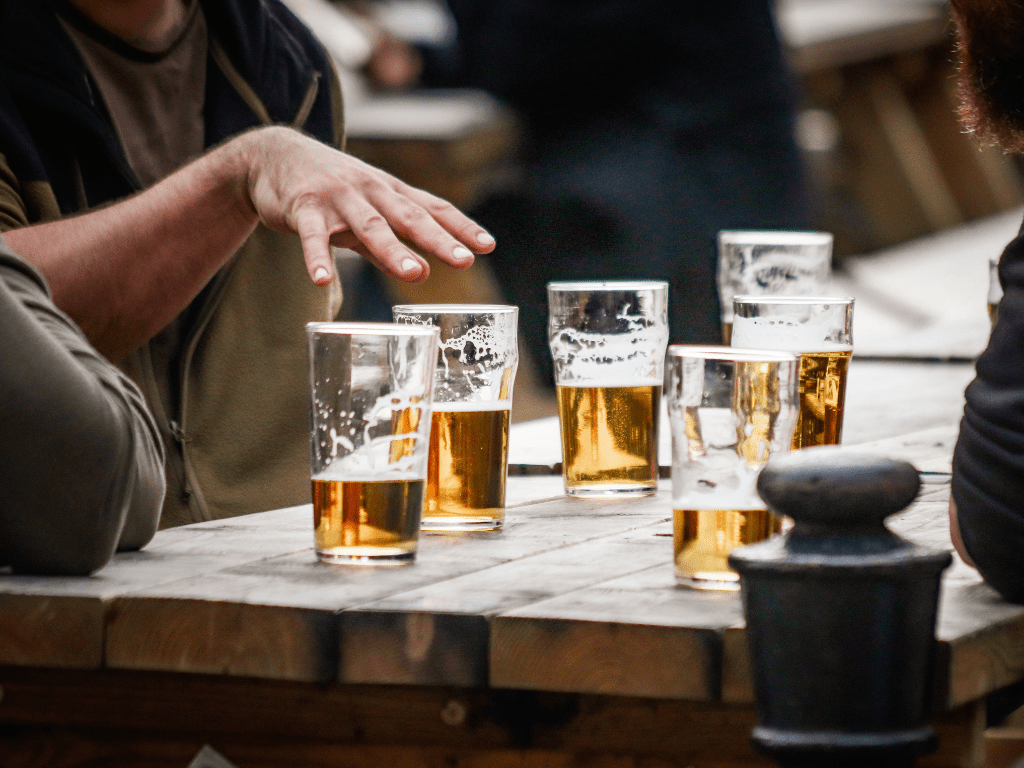
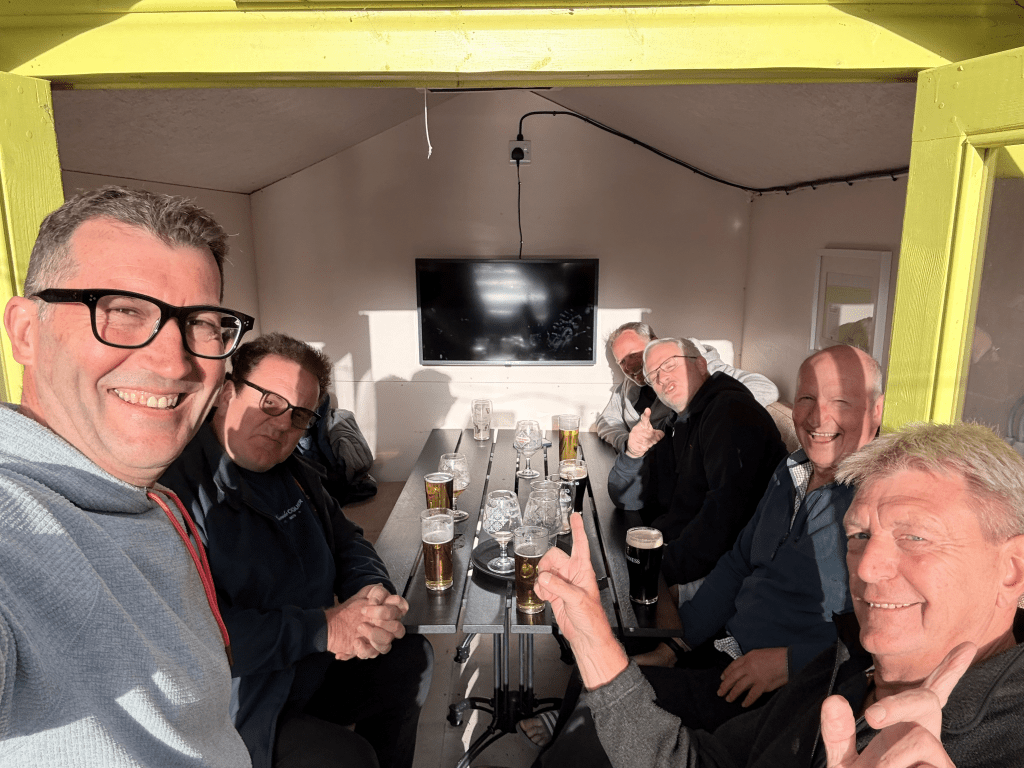
The meeting this morning over coffee, between a few of the men on the street, covered a vast range of topics. Several chimed in to recollect their views on what was discussed and what they took out of the meeting.
View 1 – coffee enlightens
We discussed the right to protest and the importance of protesting for crucial issues, such as climate change, among other things. Then we moved on to the impact of AI on jobs—automation, robots, and the future of our kids, their prospects, and what happens when there is no work—and the possibility of not having to do anything.
We also touched on travel, especially in Germany, where one of us is going, and how there’s more to it than meets the eye, with some similarities to the UK. We covered world philosophies, mostly around political systems—communism, capitalism, with socialism in between. We also discussed the political situation in the UK.
My conclusion was that I remembered more than I did the last time where we met over drinks (alcoholic) 😂 It also brought to mind the London, coffeehouses of the 17th and 18th centuries, where people would gather to discuss politics, business, and philosophy. It fueled the early Enlightenment in Britain. There’s probably good reason to make sense of things over coffee and better for retaining it. Not that it beats a good natter and laugh over a beer or two 🍻
View 2 – reads like a Haiku 🤣
China model pretty interesting Wes Streeting – no one likes you AI good but we’ll all regret it Do more pull ups Don’t fall down stairs Think I’ll love a protein shake Get skin problems checked Do I really need a pizza oven (answer yes!)
View 3 – need a rest
Great chat over morning coffee on the best summer’s day of the year so far. Loads of interesting points made and time to listen to one another. Sharing views relating to the inevitable application and impact of AI on our lives; which is not all bad. There’s so much more to think about, however, it’s now time to enjoy it. The hammock….
This event was intended to get us started and more than delivered.
We had a lot of fun and the one interesting fun fact we discussed (amongst many) was the etymology of the word Pound and its symbols.
We used AI to query and verify our discussion post event – result pasted below.
The same word “pound” in both money and weight comes from the same ancient root—because money originally literally was a weight of silver.
1) Origin of pound as a weight
The weight sense comes from the Latin phrase libra pondo, meaning “a pound by weight.” • libra = scales / balance / a Roman pound • pondo = by weight
Over time, English kept: • the word “pound” from pondo • the abbreviation “lb” from libra
That’s why: • 1 pound = 1 lb • 10 pounds = 10 lb or 10 lbs • scientists often prefer lb for both singular and plural
So the spelling mismatch exists because the full word and the abbreviation come from two different parts of the same Latin phrase.
2) Origin of pound as money
The money sense is directly linked to the weight sense.
In medieval England, one pound (£1) originally meant the value of one pound weight of silver.
So historically:
£1 = one pound (weight) of silver
That is why the British currency is still called the pound.
So both meanings share the same idea:
measured weight → measured silver → monetary value
3) Why the symbols are different
There are two different symbols people often confuse:
lb
This is the weight abbreviation • comes from libra • used for mass/weight • examples: • 5 lb • 150 lb
£
This is the currency symbol • also comes from libra • it is basically a decorated letter L • the line through it was a medieval scribal mark showing abbreviation
So: • £20 = twenty pounds sterling • lb = pounds in weight
Same Latin origin, different modern use.
4) The simplest way to remember it
A nice memory trick: • pound (word) → from pondo • lb (weight) → from libra • £ (money) → stylized L from libra
That’s why English ended up with the odd but logical trio: pound, lb, and £ all share Roman roots.
It’s actually one of the best examples of how language preserves ancient accounting systems.
The evolution of the Sign
Medieval manuscripts used a “blackletter” L with a tilde or stroke to show it was an abbreviation. Common Use: By 1661, the stylized £ sign appeared on checks, and by 1694, when the Bank of England was founded, it was standard. Bank of England +5
Important Distinction: Double vs. Single Crossbar: Both single (£) and double-crossbar (₤) versions existed historically, though the single bar became standard.








 socialWRKS